
The Difference Between Traditional Stucco and Synthetic (EIFS)
Understanding the difference between traditional stucco and synthetic (EIFS) helps homeowners choose the right exterior finish, and local contractors can expertly install either option.
If you're exploring options for exterior wall finishes, understanding the difference between traditional stucco and synthetic (EIFS) can help property owners make informed decisions. Both materials offer durable, attractive options for enhancing curb appeal and protecting building exteriors, but they differ significantly in composition, installation, and performance. Whether considering a new application or replacement, property owners in the area often seek guidance on which system best suits their needs-something local contractors are well-equipped to assist with. Continuing to read can provide clarity on the key distinctions and practical considerations involved in choosing between these popular siding options.
Knowing the differences between traditional stucco and synthetic (EIFS) can impact long-term maintenance, energy efficiency, and aesthetic outcomes. Traditional stucco is a cement-based material applied in multiple layers directly over a wall surface, offering a classic look with proven durability. Synthetic (EIFS), on the other hand, incorporates foam insulation and a synthetic finish, providing enhanced insulation properties and a more versatile appearance. Local service providers who specialize in stucco installation can help evaluate the specific needs of a property, ensuring the right choice is made for performance and style. Keep reading to learn how these systems compare and how experienced contractors can support your project.
- Traditional stucco installation - homeowners considering a classic exterior finish may seek local pros to apply traditional stucco for durability and aesthetic appeal.
- Synthetic (EIFS) installation - property owners interested in energy-efficient and modern exterior solutions often turn to local contractors experienced in synthetic stucco systems.
- Traditional stucco repair - those with existing stucco exteriors needing restoration or patching can find local pros skilled in traditional application techniques.
- Synthetic (EIFS) repair - clients with synthetic stucco systems requiring maintenance or damage repair can connect with local service providers familiar with EIFS.
- Comparing traditional and synthetic stucco - individuals exploring exterior finish options may consult local pros to understand installation differences and suitability for their project.
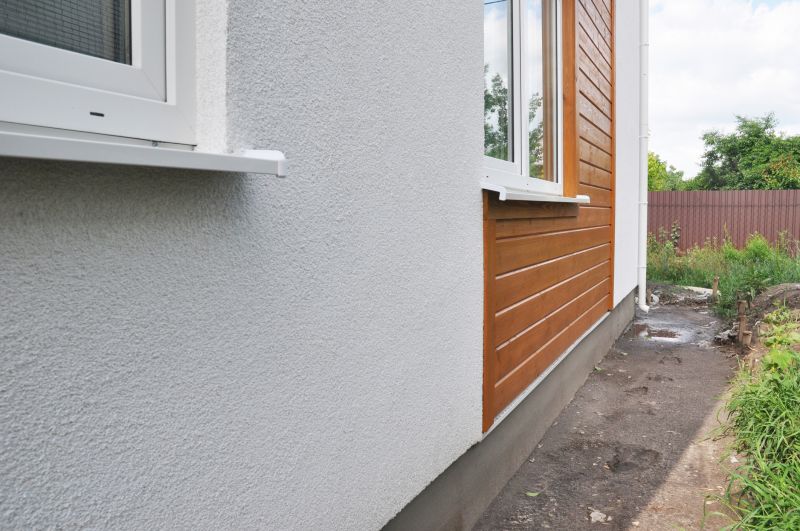

The difference between traditional stucco and synthetic (EIFS) often comes up in discussions about exterior wall finishes for residential and commercial properties. When homeowners search for this topic, they are typically trying to understand which option will best suit their building’s needs, considering factors like appearance, durability, and maintenance. Traditional stucco is a cement-based material applied in multiple coats directly onto a wall surface, creating a textured, durable exterior. Synthetic (EIFS), on the other hand, is a modern, multi-layered system that uses foam insulation boards covered with a synthetic finish. This comparison helps property owners determine which system aligns with their goals for aesthetic appeal, energy efficiency, and long-term performance.
These exterior finishes are often linked to specific property plans or renovation projects. For example, homeowners considering a face-lift for an older home might explore traditional stucco for its classic look and proven durability. Conversely, those interested in improving insulation and reducing energy costs may lean toward synthetic (EIFS) systems, which offer added thermal benefits. Problems that lead property owners to research these options include issues like cracking, moisture intrusion, or the desire to upgrade the building’s exterior for better weather resistance. Understanding the strengths and limitations of each system helps in planning a project that enhances the property's appearance and longevity.
The types of properties that come up in conversations about these stucco options vary widely. Residential homes, especially those with Mediterranean or Spanish-style architecture, often feature traditional stucco because of its timeless look. Commercial buildings, multi-family complexes, and new construction projects might incorporate synthetic (EIFS) for its insulation properties and ability to create a smooth, modern finish. Property owners of both single-family homes and larger structures should consider the specific requirements of their buildings, including climate conditions and structural needs, when evaluating these finishes. Local contractors specializing in stucco installation can provide guidance tailored to each property type and help determine the most suitable system.
Understanding the difference between traditional stucco and synthetic (EIFS) is essential for property owners planning exterior upgrades or repairs. These systems vary significantly in their composition, appearance, and performance features, making it important to work with experienced local service providers who can recommend the right solution. Whether the goal is to preserve a classic look, improve insulation, or address existing damage, knowledgeable contractors can help navigate the options. Connecting with local pros ensures that the chosen stucco system is installed correctly, maximizing the benefits and longevity of the exterior finish. This way, property owners can make informed decisions that support their project goals and protect their investment.
Exterior wall cladding projects - professionals experienced in traditional and synthetic stucco can handle various exterior wall cladding tasks, ensuring proper application and durability for different building types.
Insulation system installation - installing exterior insulation and finish systems (EIFS) requires specialized skills similar to synthetic stucco application, making these projects closely related.
Architectural detailing and custom finishes - creating decorative or textured finishes on building exteriors involves techniques used in both traditional and synthetic stucco work.
Waterproofing and weatherproofing services - ensuring building envelopes are sealed against moisture involves planning and application skills common to stucco and EIFS projects.
Repair and restoration of historic exteriors - restoring older buildings with traditional stucco or synthetic coatings requires knowledge of application methods and materials similar to new installations.
Facade enhancement and decorative coating projects - applying decorative finishes or textured coatings on building facades aligns with skills used in both traditional and synthetic stucco services.
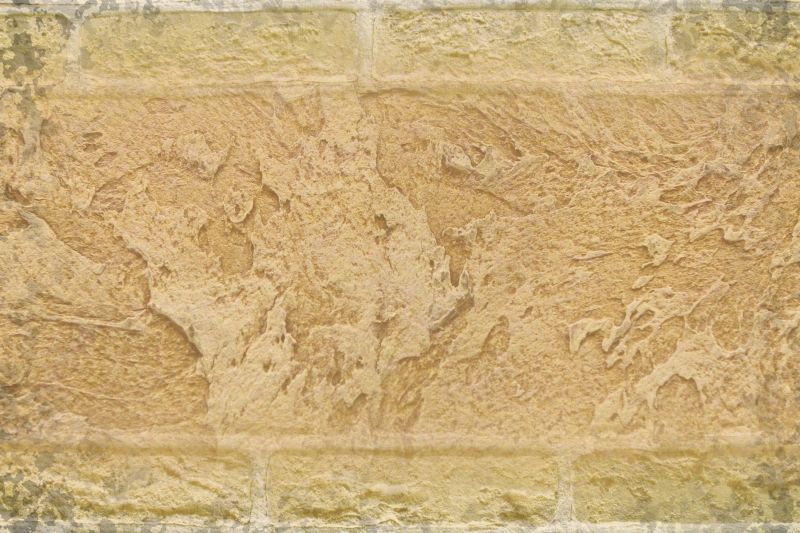
When comparing contractors for traditional or synthetic stucco installation, it’s important to consider their experience with similar projects. Homeowners should inquire about the types of stucco systems the service providers have worked on and whether they have handled projects comparable in size, style, or complexity to their own. An experienced local contractor will have a deeper understanding of the specific requirements for each type, such as the proper application techniques for traditional stucco versus synthetic (EIFS), ensuring the finished product meets expectations. Verifying the contractor’s familiarity with these systems can help prevent issues related to improper installation, which can impact durability and appearance over time.
Clear written expectations are essential when evaluating potential service providers. Homeowners should seek detailed proposals that outline the scope of work, materials to be used, and the steps involved in the installation process. This clarity helps ensure that both parties have a shared understanding of what the project entails, reducing the risk of misunderstandings or surprises later on. A reputable local contractor will be transparent about their process and provide comprehensive documentation, making it easier for homeowners to compare options and make informed decisions about the differences between traditional stucco and synthetic (EIFS) systems.
Reputable references and good communication are key factors in choosing the right contractor for stucco work. Homeowners are encouraged to ask for references from previous clients who had similar projects completed, especially those involving either traditional or synthetic stucco. Speaking with past clients can reveal insights about the contractor’s reliability, workmanship, and ability to address concerns effectively. Additionally, a contractor who maintains open, responsive communication throughout the process can better explain the nuances of each stucco type, helping homeowners understand the advantages and limitations of traditional versus synthetic systems. This level of engagement supports a smoother installation experience and a result that aligns with expectations.
Get a Quote for Traditional Or Synthetic Stucco Installation
Property owners often search for the difference between traditional stucco and synthetic (EIFS) when they are planning practical projects around their homes and businesses. Local pros provide Traditional or Synthetic Stucco Installation services for everyday jobs and straightforward project options.
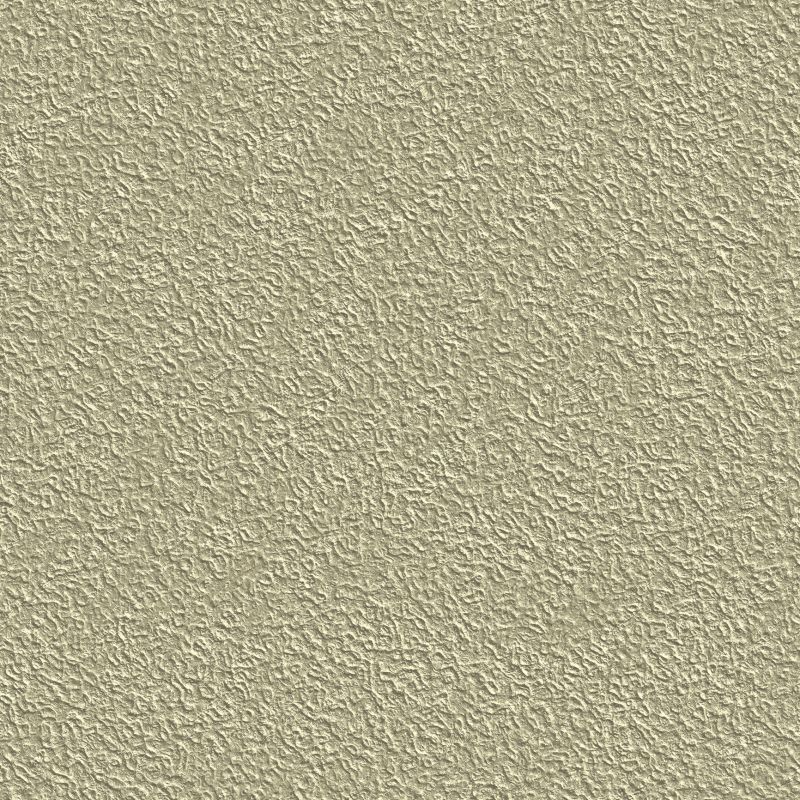

Understanding the difference between traditional stucco and synthetic (EIFS) can help property owners make informed decisions when considering exterior wall finishes. Traditional stucco is a cement-based material that has been used for decades, offering a durable, textured finish that can withstand various weather conditions. It’s often favored for its classic appearance and long-lasting qualities, making it a popular choice for homes and commercial buildings alike. On the other hand, synthetic (EIFS) is a modern, multi-layered system that provides a sleek, smooth surface and enhanced insulation properties. Property owners might look into EIFS for its ability to improve energy efficiency and create a more uniform aesthetic, especially in projects where insulation and modern design are priorities.
For those in the local area exploring exterior cladding options, understanding these differences can guide choices based on project needs and property goals. Local contractors who specialize in stucco installation can help determine whether traditional or synthetic stucco best suits the building’s structure and style. They can also advise on the benefits and potential challenges of each system, ensuring that property owners select the right solution for their specific situation. Connecting with experienced service providers can make the process of updating or installing stucco more straightforward, ensuring the finished exterior meets both aesthetic and functional expectations.
Get a Quote for Traditional Or Synthetic Stucco Installation
What is the main difference between traditional stucco and synthetic (EIFS)? Traditional stucco is a cement-based material applied in multiple coats, while synthetic (EIFS) uses foam insulation boards covered with a durable finish. Local contractors can help determine which option suits specific building needs.
How does the installation process differ between traditional stucco and synthetic (EIFS)? Traditional stucco involves applying cement mixes in layers directly onto the wall surface, whereas synthetic (EIFS) involves attaching foam insulation and then applying a finish coat. Service providers experienced in both can ensure proper installation for each system.
Which type of stucco is more durable over time? Traditional stucco is known for its long-lasting durability when properly maintained, while synthetic (EIFS) offers flexibility and better resistance to cracking. Local pros can advise on maintenance practices for each type to maximize lifespan.
Are there differences in insulation between traditional stucco and synthetic (EIFS)? Yes, synthetic (EIFS) typically provides better insulation due to the foam insulation core, whereas traditional stucco relies more on the wall structure for insulation. Contractors can help select the best system based on insulation needs.
Can local contractors help decide which stucco system is best for a property? Absolutely. Experienced service providers can evaluate building conditions and provide recommendations on whether traditional stucco or synthetic (EIFS) is more suitable.
Understanding material differences - Property owners can explore how traditional stucco and synthetic (EIFS) differ in appearance and durability to choose the best option for their project with local contractors.
Assessing climate suitability - Knowing which type of stucco performs better in specific weather conditions helps property owners plan for long-term performance with guidance from local pros.
Evaluating installation techniques - Recognizing the installation differences allows property owners to ensure the right methods are used for each stucco type when working with local service providers.
Considering maintenance needs - Understanding how traditional and synthetic stucco require different upkeep helps property owners plan for future maintenance with the help of local contractors.
If you are thinking about the difference between traditional stucco and synthetic (EIFS) for a property, this guide is meant to help you understand this topic, the typical project types, and how different options might fit your plans.
When you are ready, you can use the quote form on this page to share a few details about your project. From there, local pros can review the basics and follow up with options that match what you have in mind.
Get a Quote for Traditional Or Synthetic Stucco Installation